

Why You Play Amazing in Practice but Freeze During Volleyball Games
Learn why volleyball players often perform well in practice but struggle during games, and discover practical ways to build confidence under pressure.
This article is in sync with our mission to contribute to the development of health culture and the growth of all disciplines of volleyball. We provide informative and educational content about volleyball training and the benefits of playing the sport.
- Why Practice Feels Easier Than Games
- What Happens Mentally During Pressure Situations
- Fear of Mistakes Changes Everything
- You Are Probably Thinking Too Much During Games
- Confidence Is Not Just “Believing in Yourself”
- How to Stop Freezing During Volleyball Games
- Body Language Affects Your Mindset Too
- Why Some Players Improve Slowly in Games
- Coaches and Parents Also Affect Confidence
- Conclusion: Trust Your Training and Learn to Compete Freely
Why Practice Feels Easier Than Games
Practice environments usually feel safer and more predictable.
Even when drills are challenging, there is less emotional pressure attached to mistakes. Missing a serve in practice rarely feels as important as missing one during a close match.
During practice, players often:
Feel more relaxed
Take more risks
Focus less on outcomes
Recover from mistakes faster
Games feel different because emotions become stronger. Players start thinking about the score, teammates, coaches, parents, and fear of failure.
This mental pressure changes how the body and brain respond.
What Happens Mentally During Pressure Situations
When athletes feel pressure, the brain shifts into a more defensive state.
Instead of reacting naturally, players begin overthinking movements they normally perform automatically.
This often leads to:
Hesitation
Tight muscles
Slower reactions
Fear of mistakes
Loss of confidence
In sports psychology, this is sometimes called “playing not to fail” instead of playing freely.
The more players focus on avoiding mistakes, the harder it becomes to trust their training.
Fear of Mistakes Changes Everything
One of the biggest reasons athletes freeze during games is fear.
Not necessarily fear of the game itself, but fear of:
Embarrassing themselves
Letting teammates down
Being judged by coaches or parents
Losing confidence after errors
Fear creates tension.
And tension is one of the biggest enemies of athletic performance.
Volleyball requires quick reactions, fluid movement, and trust in your instincts. When players become mentally tight, those natural reactions disappear.
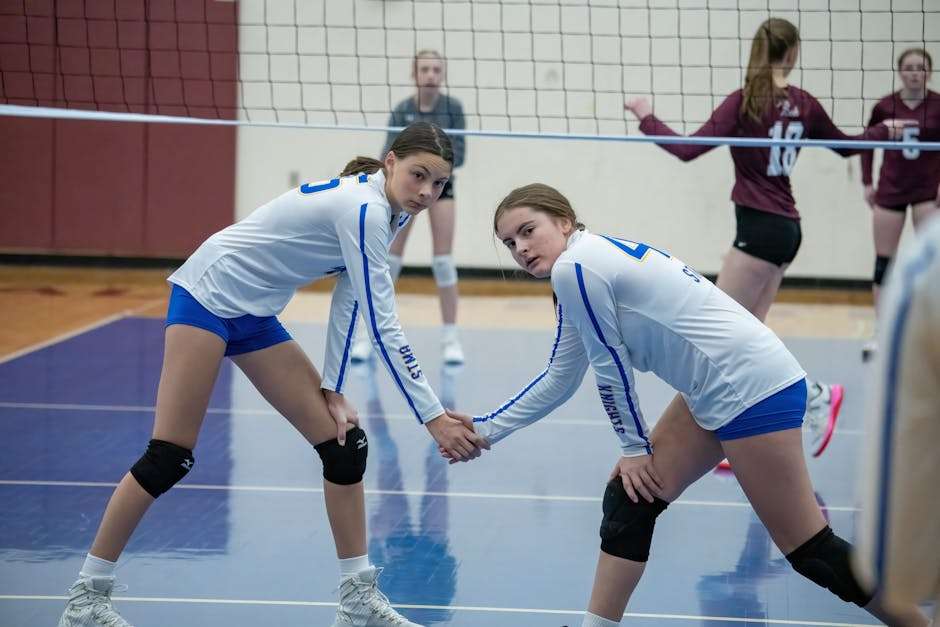
You Are Probably Thinking Too Much During Games
Many players become trapped in constant self-analysis during matches.
They think:
“Don’t miss this serve.”
“What if I mess up again?”
“Coach is probably upset.”
“Everyone is watching me.”
This mental noise makes it harder to stay present.
Strong performance usually happens when athletes focus on the current play—not future mistakes or past errors.
Confidence Is Not Just “Believing in Yourself”
Many athletes think confidence is something you either have or do not have.
In reality, confidence is heavily connected to preparation, habits, and emotional control.
Players often feel confident in practice because they experience repeated success in a lower-pressure environment.
To build game confidence, athletes must learn how to stay calm and focused when pressure increases.
How to Stop Freezing During Volleyball Games
1. Focus on Small Tasks, Not the Entire Match
Thinking about the whole game creates overwhelm.
Instead, focus on one simple task at a time.
Examples:
Watch the server carefully
Move your feet early
Communicate with teammates
Take a deep breath before serving
Small focuses help calm the mind and keep attention in the present moment.
2. Create a Reset Routine After Mistakes
Every volleyball player makes mistakes. The difference is how quickly they recover mentally.
Strong players develop simple reset habits after errors.
This could include:
Taking one deep breath
Saying “next ball” to yourself
Resetting your posture
Clapping for teammates
These routines help stop negative thoughts from growing.
3. Practice Under Pressure More Often
If practice always feels relaxed, games will continue feeling emotionally different.
Pressure must become more familiar.
Players and coaches can create pressure during practice through:
Score-based drills
Competitive games
Serving under consequences
Crowd noise or distractions
The more athletes experience pressure, the less overwhelming it feels during real matches.
4. Stop Expecting Perfection
Many players freeze because they believe mistakes are unacceptable.
But volleyball is a sport full of errors. Even high-level players miss serves, shank passes, and make poor decisions sometimes.
Trying to play perfectly usually creates more fear and hesitation.
Great competitors focus on responding well instead of being flawless.
5. Use Positive Self-Talk Carefully
Positive self-talk does not mean pretending everything is perfect.
It means speaking to yourself in a way that keeps you calm and focused.
Helpful examples:
“Stay aggressive.”
“Trust your training.”
“One point at a time.”
“Compete.”
Simple phrases often work better than emotional speeches inside your head.

Body Language Affects Your Mindset Too
Your body and mind are connected.
Negative body language after mistakes often increases frustration and anxiety.
Looking down, shaking your head, or isolating yourself emotionally sends negative signals to both your brain and teammates.
Strong body language helps athletes recover faster mentally.
Even simple actions like standing tall, making eye contact, or communicating with teammates can improve emotional control.
Why Some Players Improve Slowly in Games
Game confidence usually develops gradually.
Many athletes expect immediate mental improvement, but emotional control takes repetition and experience.
Players who continue competing, learning from mistakes, and practicing pressure situations often become much calmer over time.
The key is staying patient instead of labeling yourself as “bad under pressure.”
Coaches and Parents Also Affect Confidence
The environment around athletes matters.
Players often become more nervous when they fear negative reactions after mistakes.
Constant criticism, unrealistic expectations, or emotional pressure from adults can increase anxiety significantly.
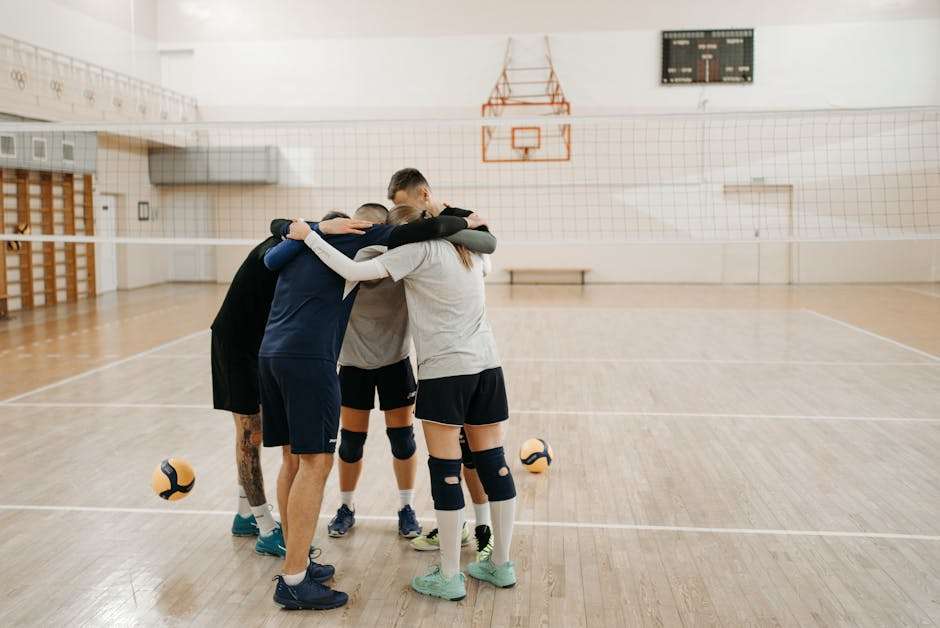
Supportive coaching and parenting help athletes compete more freely and recover faster mentally after errors.
Conclusion: Trust Your Training and Learn to Compete Freely
If you play well in practice but struggle during games, it does not mean you lack talent.
Most likely, your mind is reacting to pressure in ways that interrupt your natural skills and confidence.
The solution is not becoming perfect. It is learning how to stay calmer, more focused, and emotionally steady during competition.
Game confidence grows through experience, pressure training, positive habits, and learning how to recover after mistakes.
And once athletes stop fearing errors so much, they often start playing much closer to their true ability when it matters most.
Disclaimer
Disclaimer: This article is provided for informational and educational purposes only and is not intended as a substitute for professional medical, psychological, or mental health advice. The content is designed to offer general insights into mindset, motivation, and performance but should not replace personalized guidance from a qualified healthcare provider, psychologist, or licensed professional.
Individual experiences and results may vary. Any actions you take based on the information provided are at your own risk. Ovanto.org and its contributors are not responsible for any outcomes, injuries, or damages that may result from the use or misuse of this information. Always consult with a qualified professional before making significant changes to your mental, physical, or training routines.
