Why Most Volleyball Players Train Hard but Improve Slowly
Effort alone isn’t enough — direction makes the difference.
By Ovanto.org Team
This article is in sync with our mission to contribute to the development of health culture and the growth of all disciplines of volleyball. We provide informative and educational content about volleyball training and the benefits of playing the sport.
Introduction: “I Train a Lot… So Why Am I Not Improving?”
Many volleyball players work hard. They show up to practice, repeat drills, sweat, and push themselves physically. And yet, weeks — sometimes months — go by with little visible improvement.
This situation is frustrating and confusing. If effort is there, why does progress feel so slow?
The truth is simple but uncomfortable: training hard does not automatically mean training effectively. Improvement in volleyball depends not just on how much you train, but how and why you train.
Let’s break down the most common reasons players train hard — but improve slowly.
1. Training Without a Clear Goal
Many players go to practice without a specific objective. They train “everything” — which often means improving nothing in particular.
Without a clear goal, your brain doesn’t know what to focus on. Repetition becomes random, and progress becomes accidental.
What Works Better:
Instead of saying “I’ll train volleyball today,” try:
“I’ll improve my serve toss consistency.”
“I’ll focus on faster footwork on defense.”
“I’ll work on calling the ball every time.”
Clear goals turn effort into direction.
2. Repeating Mistakes Over and Over
Repetition is powerful — but only if the technique is correct. If you repeat the same mistake 100 times, you’re not improving… you’re reinforcing bad habits.
This is one of the biggest reasons players feel stuck.
Common Examples:
Serving with a poor toss
Passing with bad body position
Approaching incorrectly for spikes
What Works Better:
Slow down. Break the skill into parts. Focus on quality before quantity.
Perfect practice doesn’t exist — but purposeful practice does.
3. Training Too Much, Recovering Too Little
More training is not always better training. Without proper recovery, the body and mind don’t adapt — they just get tired.
Fatigue hides improvement.
Signs of poor recovery:
Constant soreness
Low motivation
Lack of focus
Declining performance
What Works Better:
Balance hard sessions with lighter ones
Prioritize sleep and hydration
Include rest days
Train smarter, not longer
Improvement happens after training — not only during it.
4. Doing Drills That Don’t Transfer to Games
Some drills look good in practice but don’t help much in real matches. They lack decision-making, pressure, or game-like movement.
Players then feel great in training… and lost in matches.
What Works Better:
Add targets
Add time pressure
Add movement before contact
Add simple decision-making
If a drill doesn’t resemble a game situation at all, its impact will be limited.
5. Ignoring the Mental Side of Training
Volleyball is not just physical — it’s mental. Many players train skills but never train focus, confidence, or emotional control.
As a result, skills disappear under pressure.
Mental gaps slow improvement when:
Players fear making mistakes
Anxiety takes over during serves
Confidence drops after errors
What Works Better:
Practice routines (especially for serving)
Train under mild pressure
Normalize mistakes as part of learning
Focus on consistency, not perfection
A calm mind learns faster than a stressed one.
6. No Structure, No Feedback
Random training leads to random results. Many players don’t track what they train, how often, or what improves.
Without feedback, the brain has no reference point.
What Works Better:
Follow simple training structure
Repeat key skills weekly
Track progress (even basic notes help)
Adjust based on results
Structure accelerates learning.
7. Comparing Yourself to Others
Comparison is one of the biggest hidden progress killers. Social media, teammates, and rankings make players feel “behind” — even when they are improving.
This drains motivation and shifts focus away from personal growth.
What Works Better:
Compare yourself only to: 👉 who you were last month.
Progress isn’t linear — and it’s never identical for two players.
Conclusion: Hard Work Needs Direction to Create Results
Training hard is important — but training with intention is what creates real improvement.
Most players don’t lack effort. They lack clarity, structure, patience, and feedback.
When you train with:
clear goals
correct technique
smart recovery
game-like drills
mental focus
progress stops being slow — and starts being visible.
Volleyball improvement isn’t magic. It’s the result of doing the right things, consistently, over time.
Pro Tip to Improve Faster
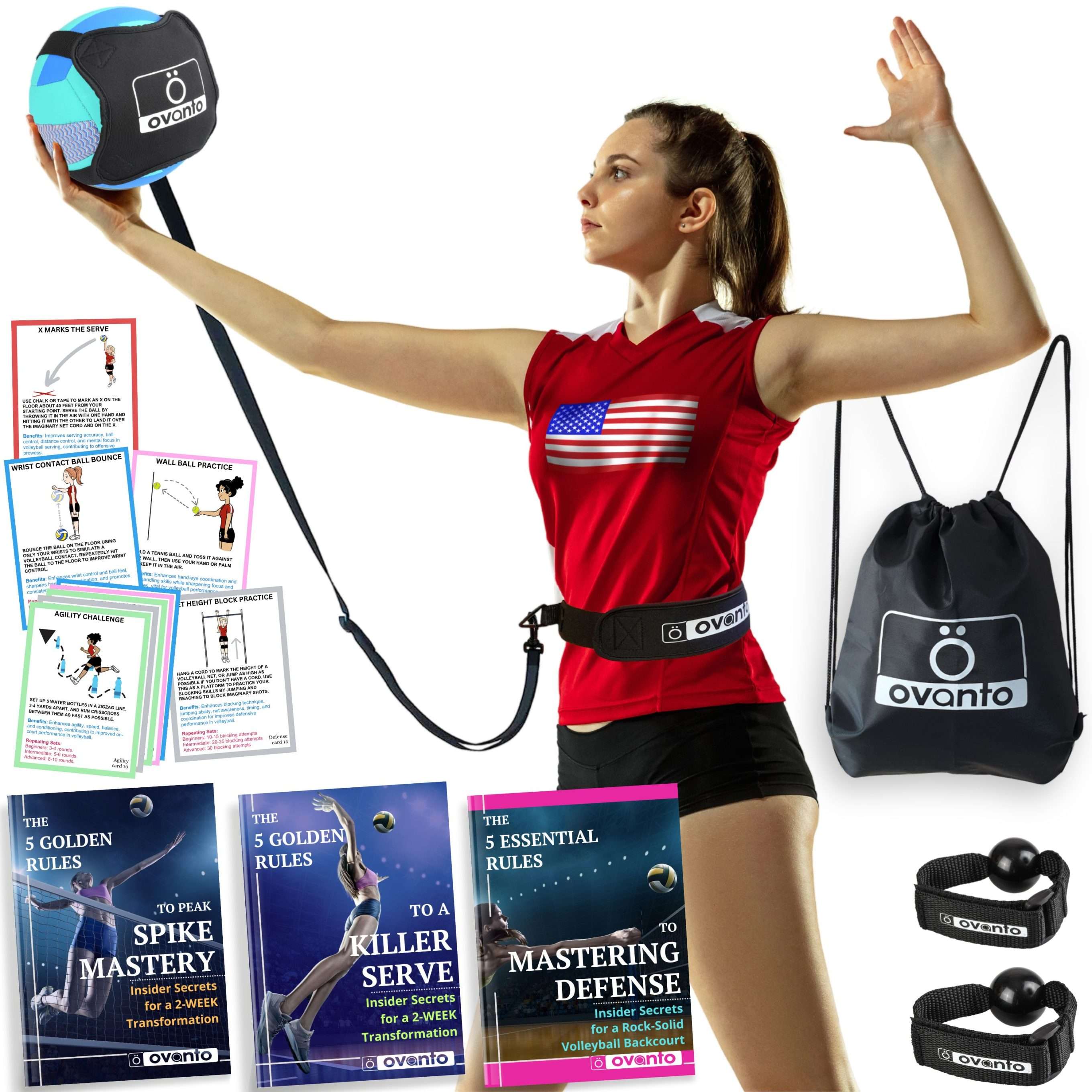
Using structured tools like our Volleyball Trainers and 48 Volleyball Training Cards helps players practice smarter, stay consistent, and improve their serving technique with clear, step-by-step drills.
Disclaimer:
The information in this article is provided for general educational and motivational purposes only. Every athlete’s physical condition, experience, and training environment are different. Always use proper judgment, follow safety guidelines, and adapt exercises to your individual abilities. Ovanto.org and its authors are not responsible for injuries or outcomes resulting from the application of this information. Train smart, stay safe, and enjoy the journey.
First in Line, Every Time!
Get our latest articles, insights and stories before anyone else does. Subscribe now and unlock 3 ebooks to the Insider Secrets of Mastering Volleyball Skills
Thank you for using our website. We use cookies to improve the website, its content and to provide relevant information.