Focus on your journey — not someone else’s highlight reel.
By Ovanto.org Team
This article is in sync with our mission to contribute to the development of health culture and the growth of all disciplines of volleyball. We provide informative and educational content about volleyball training and the benefits of playing the sport.
Introduction: The Comparison Trap
In today’s volleyball world, it’s easier than ever to compare yourself to others. Teammates, opponents, social media clips, rankings, stats — everything invites comparison.
You see someone jump higher, hit harder, or progress faster, and suddenly your own improvement feels invisible. This mindset doesn’t motivate most players — it drains confidence and slows progress.
The truth is simple but important: comparison shifts your focus away from growth and toward judgment. And when focus moves, improvement follows… in the wrong direction.
1. Comparison Steals Your Attention
Volleyball improvement requires focus. When you constantly compare yourself to others, your attention leaves your own training and performance.
Instead of asking:
“What can I improve today?”
You start asking:
“Why am I not as good as them?”
This mental shift seems small, but it has a huge impact. Progress happens when your energy is directed inward — toward learning, not measuring.
2. Everyone Improves at a Different Pace
No two volleyball journeys are the same. Players differ in:
age
body development
experience
coaching
confidence
opportunities
Some players improve quickly at first, then plateau. Others progress slowly — then suddenly make big leaps.
When you compare timelines, you ignore one key truth: your pace is not wrong — it’s just yours.
3. Social Media Shows Highlights, Not Reality
One of the biggest drivers of comparison today is social media. You see perfect spikes, winning moments, and exciting plays — but never the missed serves, bad days, or frustrations behind them.
This creates an unrealistic standard.
What you don’t see:
hours of repetition
mistakes
setbacks
injuries
mental struggles
Comparing your everyday training to someone else’s best moment is unfair — and unproductive.
4. Comparison Creates Fear Instead of Confidence
When players compare themselves constantly, fear grows:
fear of making mistakes
fear of being judged
fear of falling behind
Fear tightens the body and slows decision-making. Confidence, on the other hand, allows freedom and growth.
Players who trust their own process play looser, smarter, and with more consistency.
5. Comparison Leads to Overtraining or Burnout
Trying to “catch up” to others often leads to training too much, too fast. Players push harder without proper structure, rest, or patience.
This can cause:
fatigue
frustration
injury
loss of joy
Progress isn’t about doing more than others — it’s about doing what you need at the right time.
6. What to Focus on Instead of Comparison
If comparison slows you down, what should you focus on instead?
✔ Personal progress
Track your own improvement — even small wins matter.
✔ Consistency
Regular, focused training beats short bursts of intense effort.
✔ Learning, not proving
Training is about growth, not showing off.
✔ Effort you can control
You can’t control others — only your preparation.
7. How to Break the Comparison Habit
Here are simple ways to reset your mindset:
Limit time on highlight-focused social media
Set personal weekly goals
Celebrate progress, not perfection
Remind yourself why you started playing volleyball
Compare yourself only to who you were last month
This shift doesn’t happen overnight — but it’s powerful.
Conclusion: Your Journey Is Enough
Comparison may feel motivating at first, but over time it quietly slows you down. It steals focus, creates pressure, and turns training into a competition that never ends.
Real progress comes when you commit to your journey — your pace, your goals, your growth.
Stay consistent. Stay patient. Stay focused. Because the only comparison that truly matters is the one between who you were yesterday and who you’re becoming today.
Pro Tip to Improve Faster
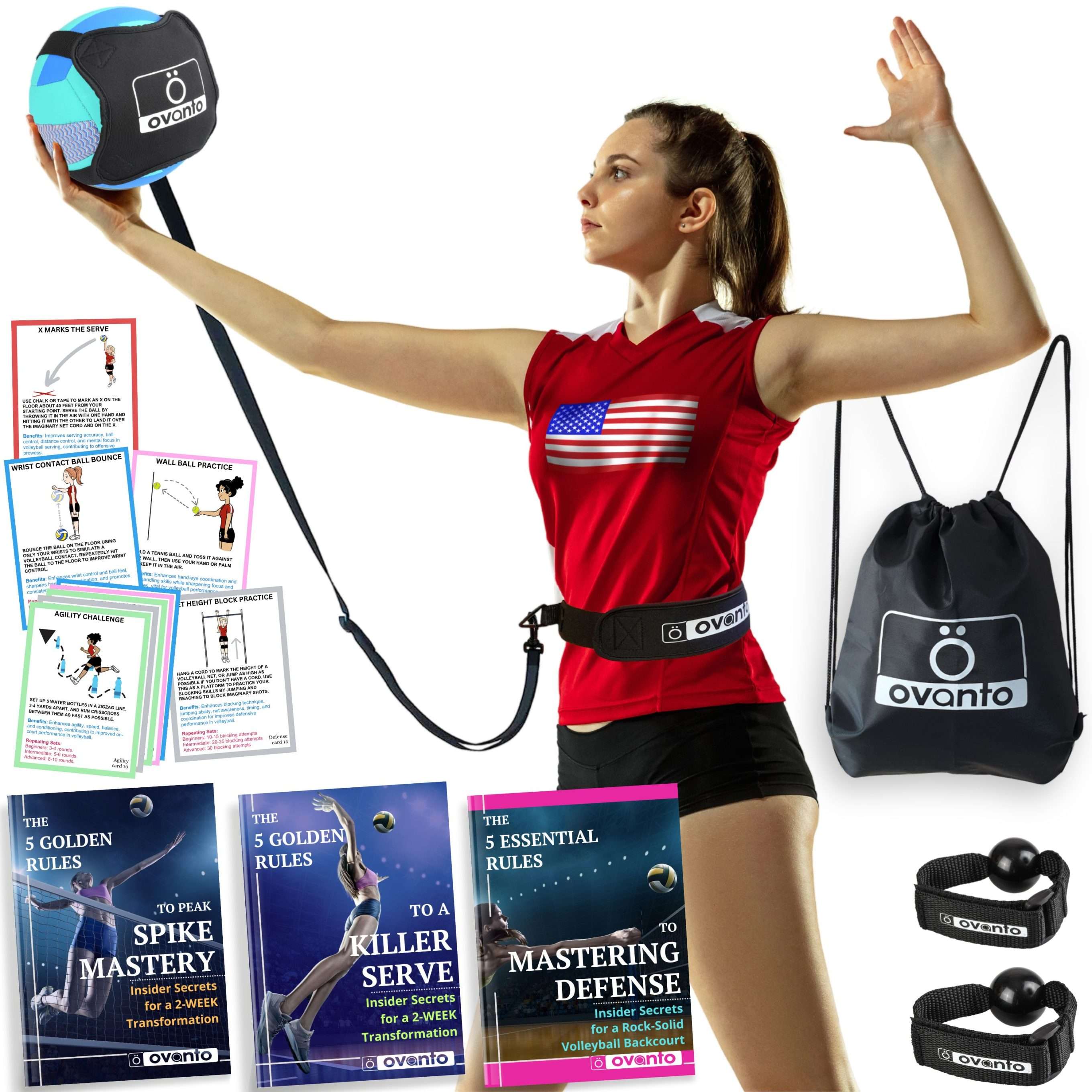
Using structured tools like our Volleyball Trainers and 48 Volleyball Training Cards helps players practice smarter, stay consistent, and improve their serving technique with clear, step-by-step drills.
Disclaimer:
The information in this article is provided for general educational and motivational purposes only. Every athlete’s physical condition, experience, and training environment are different. Always use proper judgment, follow safety guidelines, and adapt exercises to your individual abilities. Ovanto.org and its authors are not responsible for injuries or outcomes resulting from the application of this information. Train smart, stay safe, and enjoy the journey.
First in Line, Every Time!
Get our latest articles, insights and stories before anyone else does. Subscribe now and unlock 3 ebooks to the Insider Secrets of Mastering Volleyball Skills
Thank you for using our website. We use cookies to improve the website, its content and to provide relevant information.