

The “Captain Problem” in Volleyball: What to Do When Your Leader Isn’t Leading
Learn how volleyball coaches can handle leadership challenges when team captains struggle to lead confidently without creating conflict inside the team.

This article is in sync with our mission to contribute to the development of health culture and the growth of all disciplines of volleyball. We provide informative and educational content about volleyball training and the benefits of playing the sport.
- Why Some Team Captains Struggle to Lead
- Signs Your Team Captain Needs Support
- The Biggest Mistake Coaches Make
- Define What Leadership Actually Means
- Leadership Does Not Need to Be Loud
- Have Private Conversations, Not Public Corrections
- Give Captains Small Leadership Responsibilities
- Teach Communication Skills Directly
- Avoid Creating a “Captain vs Team” Situation
- When the Wrong Captain Was Chosen
- Help Captains Build Confidence Over Time
- Conclusion: Strong Leadership Is Developed, Not Assigned
Why Some Team Captains Struggle to Lead
Not every captain is chosen for the same reason. Sometimes the captain is the best player. Sometimes they are the hardest worker. Sometimes they are simply the oldest or most experienced athlete.
But being a great player and being a strong leader are not always the same thing.
Many young athletes feel pressure when they receive the captain title. Suddenly they feel responsible for team energy, communication, and results. Some players become hesitant because they are afraid of saying the wrong thing or upsetting teammates.
Others may not fully understand what leadership actually looks like.
Instead of leading actively, they assume leadership means:
Being popular
Never making mistakes
Trying to control teammates
Avoiding difficult conversations
Without guidance, even talented athletes can struggle in leadership roles.
Signs Your Team Captain Needs Support
Leadership struggles are not always obvious. Some captains work hard but simply lack confidence or communication skills.
Common signs include:
The Team Looks Disconnected During Tough Moments
When the team loses momentum, nobody steps up to refocus the group. Communication becomes quiet, negative, or frustrated.
The Captain Avoids Speaking Up
Some captains avoid correcting teammates, encouraging communication, or addressing poor behavior because they fear conflict.
Players Stop Looking to the Captain for Guidance
If teammates begin relying only on coaches for leadership and direction, the captain may not yet have earned trust within the group.
The Captain Tries Too Hard to Be Liked
Young leaders sometimes avoid accountability because they want teammates to stay happy with them. This often weakens leadership credibility.
The Biggest Mistake Coaches Make
One of the most common coaching mistakes is assuming leadership should happen naturally.
Coaches often spend hours teaching serving mechanics, defensive systems, and rotations. But leadership is treated differently. Players are expected to “figure it out” once they receive the captain title.
The reality is that communication, accountability, confidence, and emotional control all require development.
If coaches do not actively teach leadership, many captains will feel lost.
Define What Leadership Actually Means
The first step is creating clarity.
Many athletes think captains need to give motivational speeches or act like the loudest person on the team. But leadership in volleyball often looks much simpler.
Effective captains usually focus on small, consistent behaviors:
Encouraging teammates after mistakes
Maintaining positive body language
Communicating during stressful moments
Helping younger players feel included
Setting a strong practice example
When coaches clearly explain expectations, captains feel less pressure to become someone they are not.
Leadership Does Not Need to Be Loud
One important lesson for coaches is understanding different leadership styles.
Some captains are naturally vocal and energetic. Others lead quietly through consistency and calm behavior. Both styles can work.
Problems happen when coaches try to force every captain into the same personality type.
A quieter athlete may never become the loudest voice in the gym, but they can still become highly respected if they communicate authentically and lead through actions.
The goal is not to create identical leaders. The goal is to help each captain become more confident and intentional in their own way.
Have Private Conversations, Not Public Corrections
If leadership problems appear, avoid embarrassing the captain in front of the team.
Public criticism can damage confidence and create resentment very quickly.
Instead, schedule private conversations focused on growth rather than blame.
For example:
“I think the team needs more communication during difficult moments. Let’s work together on ways you can help with that.”
This approach keeps the captain feeling supported instead of attacked.
Give Captains Small Leadership Responsibilities
Leadership becomes easier when responsibilities feel manageable.
Instead of expecting captains to suddenly control team culture, give them smaller leadership tasks first.
Examples include:
Leading warmups
Checking in with younger players
Helping reset team energy after mistakes
Starting team discussions
Small wins help captains build confidence gradually.
Teach Communication Skills Directly
Many athletes simply do not know how to communicate effectively under pressure.
Coaches can help by practicing leadership communication during training.
Teach captains phrases like:
“Next ball.”
“We’re okay.”
“Keep talking.”
“Let’s reset.”
Simple communication tools give young leaders something practical to use during stressful moments.

Avoid Creating a “Captain vs Team” Situation
One major risk is accidentally isolating the captain from the rest of the group.
If the captain becomes the only person responsible for accountability, teammates may begin viewing them negatively.
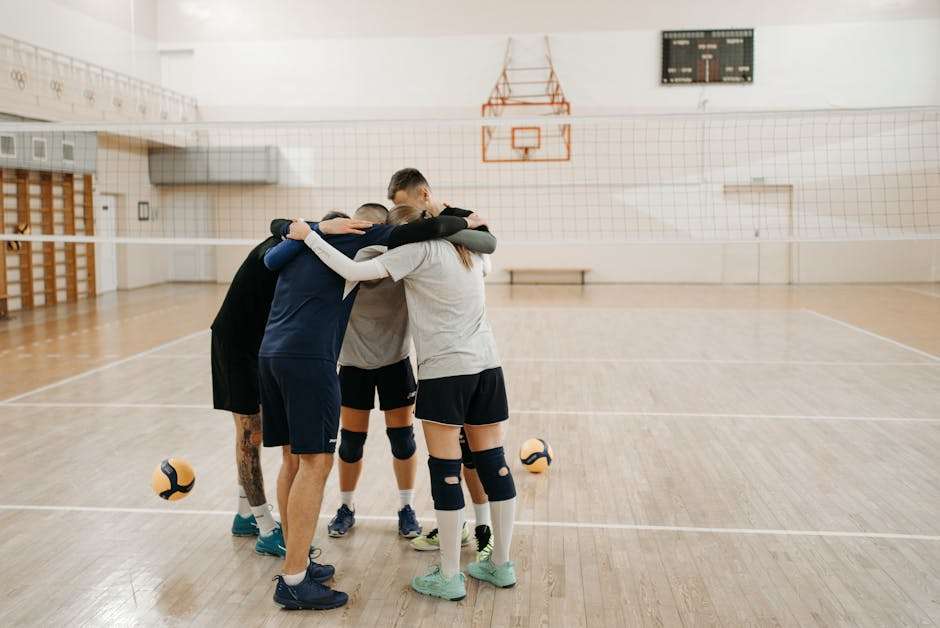
Strong team culture works best when leadership is shared.
Coaches should encourage all players to communicate, support teammates, and maintain standards—not just the captain.
This removes unhealthy pressure from one athlete and creates stronger team unity.
When the Wrong Captain Was Chosen
Sometimes coaches realize they selected the wrong player for the role.
This can be difficult, especially during the season.
Instead of immediately removing the title, first consider whether the athlete simply needs more support and clarity. Many captains improve significantly once expectations become clearer.
However, if leadership issues are actively hurting team culture, coaches may need to adjust leadership structures carefully and respectfully.
In some situations, adding leadership groups or shared responsibilities works better than relying on a single captain.
Help Captains Build Confidence Over Time
Confidence rarely appears overnight.
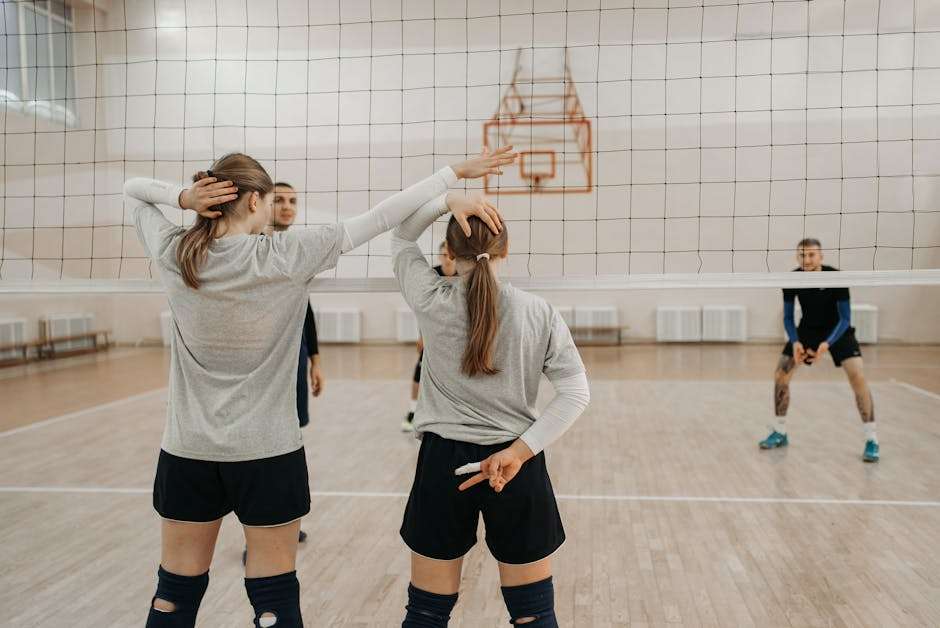
Young athletes develop leadership confidence through experience, mistakes, and repetition. Coaches who stay patient often see major growth by the end of the season.
Celebrate progress, not perfection.
If a quiet captain starts communicating slightly more during games, that matters. If they begin helping teammates recover emotionally after mistakes, that matters too.
Small leadership improvements often create big long-term changes.
Conclusion: Strong Leadership Is Developed, Not Assigned
The captain title alone does not automatically create a leader.
Young athletes need guidance, support, and clear expectations to grow into leadership roles successfully. When coaches approach leadership development with patience and structure, captains become more confident without creating unnecessary team conflict.
The most effective volleyball leaders are not always the loudest players or the most naturally confident. Often, they are the athletes who learn how to consistently support, communicate, and steady their teammates during difficult moments.
And those skills can absolutely be taught.
Disclaimer
Disclaimer: This article is provided for informational and educational purposes only and is not intended as a substitute for professional coaching, training, or organizational advice. The content is based on general principles of team dynamics, communication, and leadership in volleyball and may not apply to every team or situation.
Any actions taken based on the information in this article are at your own discretion. Ovanto.org and its contributors are not responsible for any outcomes, conflicts, or issues that may arise from the application of this content. For personalized guidance, consider consulting with a qualified coach, trainer, or sports professional.
