

Silent Teams Don’t Win: How to Improve Communication During Volleyball Matches
Learn practical volleyball communication drills and coaching strategies that help players communicate confidently during high-pressure matches.
This article is in sync with our mission to contribute to the development of health culture and the growth of all disciplines of volleyball. We provide informative and educational content about volleyball training and the benefits of playing the sport.
- Why Communication Matters So Much in Volleyball
- Why Some Teams Become Quiet During Matches
- Create Clear Communication Expectations
- Train Communication During Practice — Not Just Games
- Use Pressure Drills to Simulate Match Stress
- Teach Players How to Respond After Mistakes
- Encourage Leadership From Multiple Players
- Fix Negative Communication Immediately
- Use Video to Help Players Understand Communication Habits
- Build Confidence Outside of Matches
- Communication Improvement Takes Time
- Conclusion: Strong Communication Creates Stronger Teams
Why Communication Matters So Much in Volleyball
Volleyball depends on constant coordination. Every rally requires players to react quickly, move together, and make split-second decisions.
Without communication, confusion happens fast.
Players hesitate on free balls, defenders collide, and teammates lose confidence in each other. Silence also affects emotional energy. Teams that stop communicating often become tense and disconnected.
Strong communication helps teams:
Avoid confusion during rallies
Recover faster after mistakes
Maintain team energy
Build confidence under pressure
Improve trust and teamwork
Communication is not just about volume. It is about clarity, timing, and emotional connection.
Why Some Teams Become Quiet During Matches
Many players communicate well during practice but suddenly become quiet during competition.
This usually happens because of pressure.
When athletes feel nervous or afraid of making mistakes, communication often disappears first. Players start focusing internally instead of staying connected to teammates.
Other common reasons include:
Fear of saying the wrong thing
Lack of confidence
Negative team reactions after mistakes
Unclear communication expectations
Overreliance on naturally vocal players
Understanding why silence happens helps coaches fix the real problem instead of simply demanding more noise.
Create Clear Communication Expectations
One major mistake coaches make is assuming players already know how to communicate effectively.
Many athletes hear “talk more” constantly but never receive specific guidance.
Instead of vague instructions, define exactly what communication should sound like during matches.
Examples of Helpful Volleyball Communication
“Mine.”
“Short.”
“Line.”
“Free ball.”
“You got it.”
“Next ball.”
Simple, repeatable phrases help players communicate more naturally during pressure situations.
Train Communication During Practice — Not Just Games
Communication improves through repetition.
If players stay mostly quiet during practice, they will likely stay quiet during matches too.
Coaches should build communication directly into drills instead of treating it like an extra detail.
Communication Rule Drills
Create practice drills where communication is required to continue the rally.
For example:
Players must call the ball before contact
Teams lose points for silence
Players must communicate defensive responsibilities before serves
This teaches communication as part of normal volleyball behavior.
Use Pressure Drills to Simulate Match Stress
Many teams communicate well when drills feel easy. The challenge appears once pressure increases.
To improve match communication, practices should include competitive situations that create emotional stress.
Examples of Pressure Drills
Score-based scrimmages
Comeback scenarios
Consequence games where teams perform conditioning after losing
During these drills, coaches should emphasize communication quality, not just technical performance.
This helps athletes learn how to stay connected under pressure.
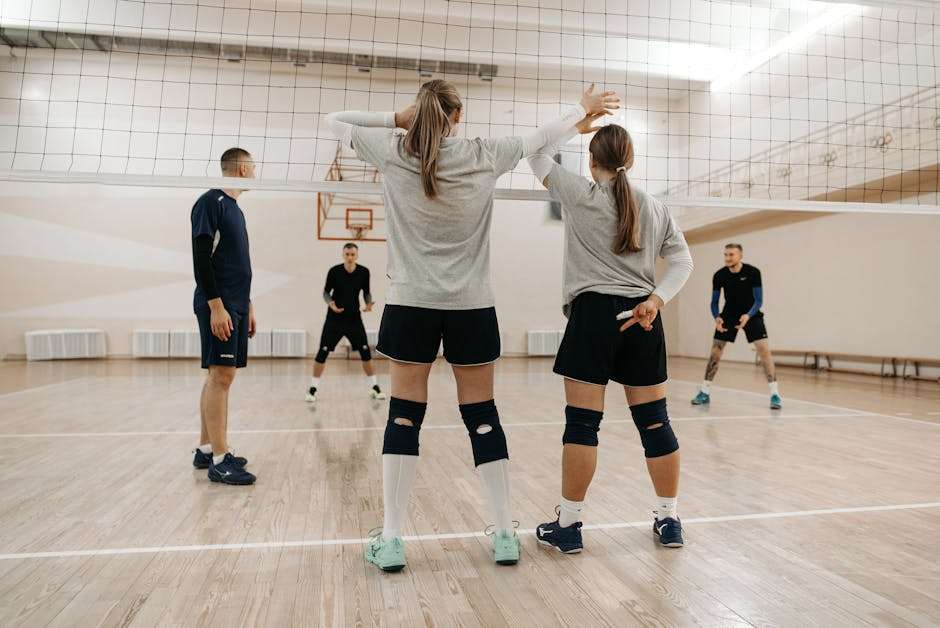
Teach Players How to Respond After Mistakes
Communication often disappears immediately after errors.
Players become frustrated, embarrassed, or emotionally disconnected. Negative body language spreads quickly across the court.
Strong teams train emotional recovery communication.
Helpful Reset Phrases
“Next point.”
“We’re good.”
“Shake it off.”
“Stay together.”
These small phrases help players reset emotionally and maintain team energy.
Encourage Leadership From Multiple Players
Some teams rely too heavily on one loud captain to control communication.
This creates problems when that player becomes frustrated, tired, or quiet during difficult moments.
The best communicating teams share leadership responsibilities.
What Coaches Can Do
Encourage all athletes to contribute vocally.
This includes:
Calling defensive coverage
Supporting teammates after mistakes
Communicating serve receive responsibilities
Keeping energy positive during tough rallies
Shared communication creates stronger overall team confidence.
Fix Negative Communication Immediately
Communication is not only about talking more. Tone matters too.
Negative reactions, sarcasm, blaming teammates, or frustrated body language damage team confidence quickly.
Players stop communicating when they fear criticism from teammates.
What Coaches Should Reinforce
Clear communication
Respectful tone
Constructive feedback
Positive recovery after mistakes
Healthy communication creates emotional safety for the entire team.

Use Video to Help Players Understand Communication Habits
Sometimes players do not realize how quiet they become during matches.
Watching game film can help athletes recognize communication patterns more clearly.
Coaches can point out:
Moments of silence during confusion
Strong communication sequences
Body language after errors
Positive leadership moments
This creates awareness without relying only on verbal feedback.
Build Confidence Outside of Matches
Confident communication often starts before competition begins.
Players who feel connected to teammates usually communicate more comfortably during games.
Simple team-building habits can help:
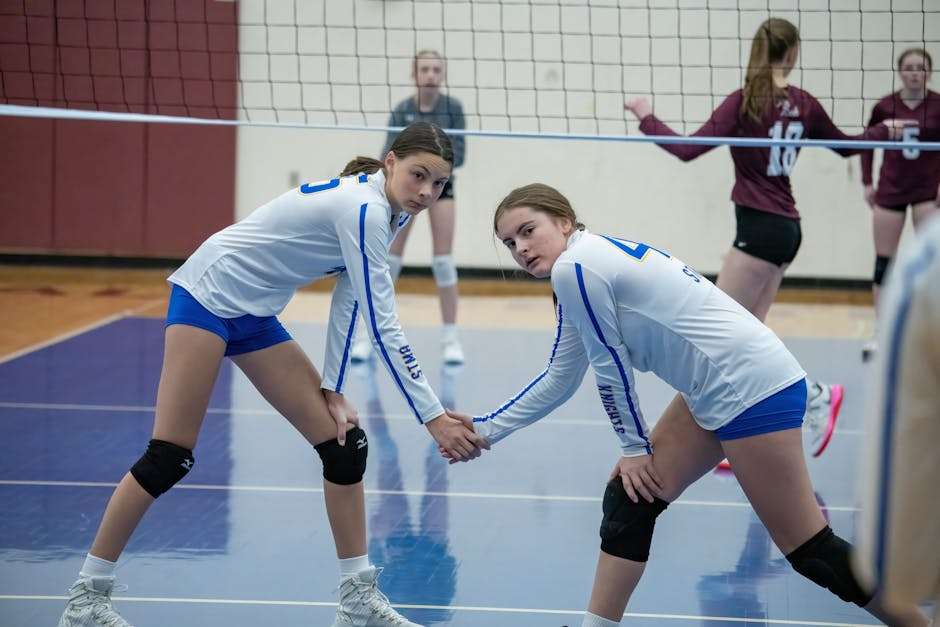
Partner drills with different teammates
Small group challenges
Positive recognition during practice
Leadership opportunities for quieter athletes
Trust and communication grow together.
Communication Improvement Takes Time
Many coaches expect communication problems to disappear quickly, but lasting improvement takes repetition and patience.
Some athletes naturally communicate more easily than others. Quiet players may need extra support and encouragement to become comfortable speaking up during competition.
Celebrate progress instead of expecting perfection immediately.
If players start communicating slightly more during stressful drills, that is already meaningful growth.
Conclusion: Strong Communication Creates Stronger Teams
Silent volleyball teams struggle because volleyball depends on connection, trust, and quick decision-making.
Improving communication requires more than simply telling athletes to “talk louder.” Coaches must intentionally train communication during practice, reinforce positive team culture, and help players feel confident under pressure.
The teams that communicate best are not always the loudest. They are the teams that stay connected, supportive, and clear during difficult moments.
And when communication improves, confidence, teamwork, and overall performance usually improve with it.
Disclaimer
Disclaimer: This article is provided for informational and educational purposes only and is not intended as a substitute for professional coaching, training, or organizational advice. The content is based on general principles of team dynamics, communication, and leadership in volleyball and may not apply to every team or situation.
Any actions taken based on the information in this article are at your own discretion. Ovanto.org and its contributors are not responsible for any outcomes, conflicts, or issues that may arise from the application of this content. For personalized guidance, consider consulting with a qualified coach, trainer, or sports professional.
