

How to Start Playing Volleyball Without Joining a Team
Learn how beginners can start playing volleyball, improve skills, and build confidence even without joining an official team right away.

This article is in sync with our mission to contribute to the development of health culture and the growth of all disciplines of volleyball. We provide informative and educational content about volleyball training and the benefits of playing the sport.
- You Do Not Need Experience to Begin
- Start With Simple Ball Control
- Use a Wall for Practice
- Practice Serving on Your Own
- Watch Volleyball to Learn Faster
- Play Casually With Friends
- Learn the Basic Rules Slowly
- Do Not Worry About Looking Awkward
- Build Confidence Before Joining a Team
- Simple Equipment Is Enough to Start
- Volleyball Is Great for Physical and Mental Health
- You Can Improve Faster Than You Think
- Conclusion: You Do Not Need a Team to Start Loving Volleyball
You Do Not Need Experience to Begin
One of the biggest misconceptions about volleyball is that beginners need experience before starting.
They do not.
Every volleyball player once struggled with basic skills like serving, passing, and positioning. Nobody starts as an expert.
The important thing is simply getting comfortable with the ball and learning gradually.
You do not need expensive equipment, advanced training, or a competitive team to begin improving.
Start With Simple Ball Control
The easiest way to begin playing volleyball is by learning basic ball control.
This means becoming comfortable touching and controlling the ball consistently.
Easy Beginner Drills
Try simple exercises like:
Bumping the ball to yourself repeatedly
Setting the ball upward while standing still
Passing against a wall
Practicing hand positioning
These drills may feel awkward at first, but repetition builds coordination surprisingly quickly.
Even 15–20 minutes of regular practice can help beginners improve confidence.
Use a Wall for Practice
A wall is one of the best training tools for beginner volleyball players.
You can practice almost anywhere:
Garage walls
School walls
Outdoor courts
Gym walls
Wall drills help players improve:
Passing control
Reaction speed
Consistency
Hand-eye coordination
Because the ball comes back quickly, players naturally develop faster reactions over time.
Practice Serving on Your Own
Serving is one of the easiest volleyball skills to practice independently.
You do not need teammates to improve your serving technique.
Start by focusing on:
Consistent tosses
Proper contact
Controlled movement
Accuracy instead of power
Many beginners become much more confident once they can reliably serve the ball over the net.
Even practicing serves in an open field or park can help.
Watch Volleyball to Learn Faster
Watching volleyball is a great way to understand the game better.
Beginners often learn by observing:
Player positioning
Communication
Movement patterns
Basic rules
You can watch:
School volleyball matches
Beginner tutorials online
College volleyball games
Professional matches
Watching experienced players helps beginners feel more familiar with how volleyball flows during real games.
Play Casually With Friends
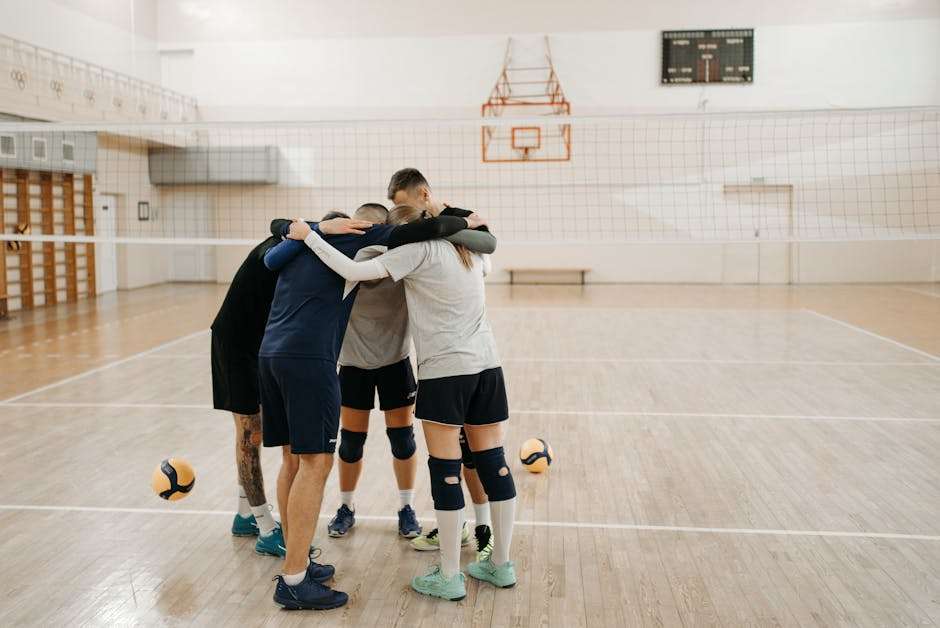
You do not need formal practices to enjoy volleyball.
Casual games with friends or family are excellent for beginners because they remove pressure.
Playing casually helps athletes:
Feel more relaxed
Build confidence
Learn movement naturally
Enjoy the game socially
Beach volleyball, backyard volleyball, or park games can all help beginners improve while having fun.
Learn the Basic Rules Slowly
Volleyball rules may seem confusing at first, especially rotations and positioning.
But beginners do not need to master everything immediately.
Start with simple concepts:
Three touches per side
How scoring works
Basic serving rules
Staying ready defensively
The more you play and watch volleyball, the easier the rules become to understand naturally.
Do Not Worry About Looking Awkward
Many beginners avoid volleyball because they fear embarrassment.
But awkward moments are completely normal.
Every player has experienced:
Missed serves
Bad passes
Confusing rotations
Funny mistakes
Volleyball skills take time to develop.
The athletes who improve are usually the ones willing to practice despite making mistakes.

Build Confidence Before Joining a Team
Practicing independently can make organized volleyball feel much less intimidating later.
As basic skills improve, many beginners naturally become more interested in joining teams, clinics, or recreational leagues.
By then, the sport feels more familiar and confidence is usually stronger.
There is no perfect timeline.
Some athletes join teams quickly, while others prefer learning independently first.
Simple Equipment Is Enough to Start
You do not need expensive volleyball gear as a beginner.
To start practicing, you mainly need:
A volleyball
Comfortable athletic shoes
Open space or a wall
That is enough to begin learning basic skills.
As interest grows, players can slowly add more equipment if needed.
Volleyball Is Great for Physical and Mental Health
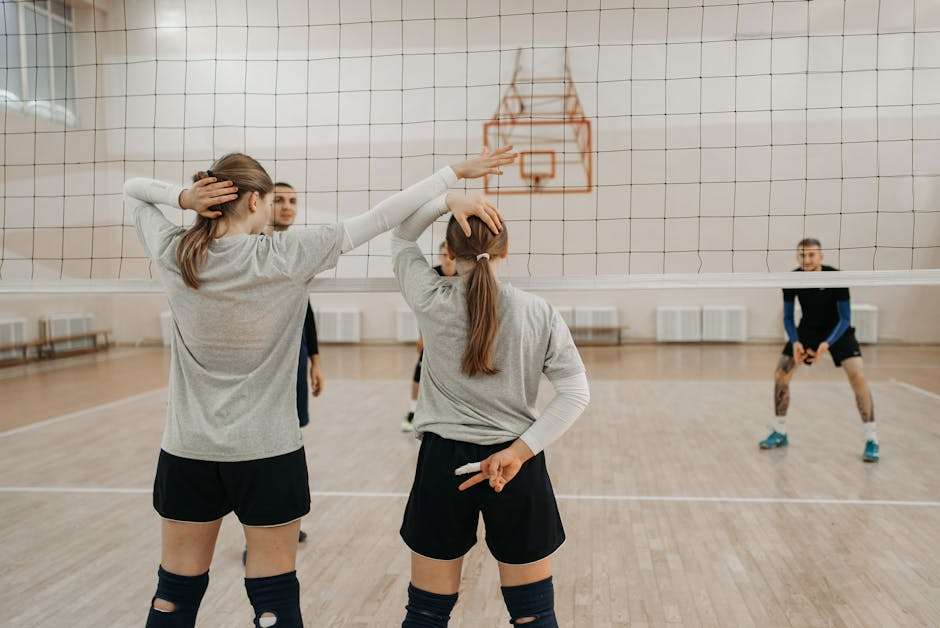
Even casual volleyball practice provides many benefits.
It helps improve:
Coordination
Fitness
Reaction speed
Confidence
Social skills
Many athletes also find volleyball mentally refreshing because it combines movement, focus, and teamwork in a fun environment.
You Can Improve Faster Than You Think
Beginners often underestimate how quickly skills can develop.
At first, volleyball may feel difficult and unnatural. But small amounts of consistent practice create noticeable improvement surprisingly fast.
One day, controlling the ball feels impossible.
A few weeks later, rallies start lasting longer and movements begin feeling more natural.
That progress is part of what makes volleyball so rewarding.
Conclusion: You Do Not Need a Team to Start Loving Volleyball
Joining a team is only one way to begin volleyball.
Many athletes build skills, confidence, and love for the game long before they ever play organized matches.
Practicing alone, using a wall, serving in the park, watching games, and playing casually with friends are all great ways to start learning.
The most important thing is not being perfect.
It is simply giving yourself permission to begin.
And once beginners start feeling more comfortable with the game, volleyball often becomes much less intimidating — and much more fun.
Disclaimer
Disclaimer: The information provided in this article is intended for general guidance and informational purposes only. The insights and recommendations regarding sleep and athletic performance may not be suitable for everyone. It is advisable to consult with a qualified healthcare professional or a sleep specialist before making significant changes to your sleep habits, especially if you have any pre-existing health conditions or concerns. Individual responses to sleep interventions can vary, and personal discretion should be exercised when implementing any new routines. The author and publisher are not responsible for any adverse effects or consequences resulting from the use or misuse of the information presented in this article. Always prioritize safety, personal health considerations, and professional advice.
