

How to Earn Your Teammates’ Trust in Volleyball
Discover practical ways to earn your teammates’ trust in volleyball through communication, consistency, and a team-first attitude both on and off the court.

This article is in sync with our mission to contribute to the development of health culture and the growth of all disciplines of volleyball. We provide informative and educational content about volleyball training and the benefits of playing the sport.
- Why Trust Matters in Volleyball
- Be Reliable, Not Just Talented
- Communicate Clearly and Positively
- Support Teammates After Mistakes
- Keep Your Body Language Positive
- Do the Little Things Consistently
- Be Honest and Take Responsibility
- Respect Every Role on the Team
- Practice Hard Even When Nobody Is Watching
- Trust Takes Time to Build
- What Coaches Notice About Trustworthy Players
- Trust Goes Beyond the Court
- Conclusion: Trust Is Earned One Action at a Time
Why Trust Matters in Volleyball
Volleyball is built on cooperation.
Every rally depends on players believing that their teammates will communicate, move into position, and do their job. When trust is strong, players react with confidence instead of hesitation.
Teams with high levels of trust often:
Communicate more clearly.
Recover faster after mistakes.
Stay positive during difficult matches.
Support each other under pressure.
Play with greater confidence.
Talent wins some rallies, but trust helps teams perform consistently throughout an entire season.
Be Reliable, Not Just Talented
Many players think earning trust means making spectacular plays.
In reality, teammates often trust the player who is dependable more than the player who occasionally makes amazing plays.
Reliability means:
Showing up prepared.
Giving consistent effort.
Following through on responsibilities.
Staying focused throughout practice and matches.
When teammates know they can count on you every day, trust naturally grows.
Communicate Clearly and Positively
Good communication is one of the quickest ways to earn respect on a volleyball team.
You don’t need to be the loudest player in the gym. You simply need to communicate consistently.
Helpful communication includes:
Calling the ball early.
Helping teammates with court awareness.
Encouraging others after mistakes.
Sharing information calmly during rallies.
Players feel more confident when they know their teammates are communicating with them.
Support Teammates After Mistakes
Everyone makes mistakes in volleyball.
What players remember is how their teammates reacted afterward.
Rolling your eyes, showing frustration, or blaming others quickly damages trust.
Instead, simple responses can make a huge difference:
“Next ball.”
“You’re good.”
“We’ll get the next one.”
Positive support helps teammates recover emotionally and creates a stronger team culture.
Keep Your Body Language Positive
Your teammates notice your body language, even when you are not speaking.
Negative signals such as:
Throwing your hands up.
Looking frustrated.
Walking away after mistakes.
Showing disappointment toward teammates.
can reduce confidence across the entire team.
Positive body language, on the other hand, shows emotional stability.
Standing tall, making eye contact, clapping after rallies, and staying engaged all communicate that you’re still fully committed to helping the team succeed.
Do the Little Things Consistently
Trust is often built through small actions that happen every day.
Simple habits include:
Helping collect volleyballs after practice.
Arriving on time.
Listening when coaches speak.
Working hard in every drill.
Encouraging younger teammates.
None of these actions appear on a stat sheet, but teammates notice them.
Over time, these consistent behaviors create a reputation for being dependable.
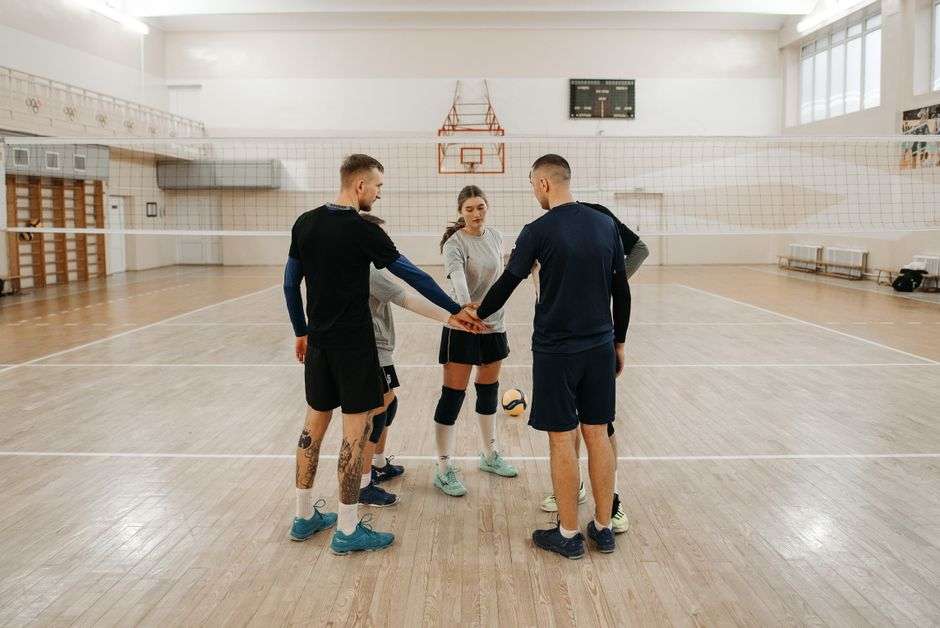
Be Honest and Take Responsibility
Players earn respect when they accept responsibility for their mistakes.
Instead of making excuses or blaming others, acknowledge errors and move forward.
For example:
“That was my ball.”
“I was out of position.”
“I’ll adjust next time.”
Owning mistakes shows maturity and builds confidence within the team.
Teammates are far more likely to trust someone who is honest than someone who constantly shifts blame.
Respect Every Role on the Team
Strong team chemistry depends on every player feeling valued.
Whether someone is a starter, a substitute, or still developing, everyone contributes to the team’s success.
Show respect by:
Including everyone during practice.
Celebrating teammates’ improvements.
Supporting players regardless of playing time.
Avoiding gossip or cliques.
Inclusive teammates help create environments where trust grows naturally.

Practice Hard Even When Nobody Is Watching
Effort is contagious.
Players notice who competes in every drill, hustles for every ball, and maintains focus during practice.
You do not need to be perfect.
But consistent effort sends a clear message that you care about helping the team improve.
That attitude earns respect over time.
Trust Takes Time to Build
Many athletes expect trust to happen immediately, especially when joining a new team.
In reality, trust develops through repeated positive experiences.
One encouraging comment, one good practice, or one strong match is helpful—but lasting trust comes from consistency.
The more your teammates see the same positive habits day after day, the more confidence they will have in you.
What Coaches Notice About Trustworthy Players
Coaches often value trustworthy players just as much as highly skilled ones.
Athletes who communicate well, support teammates, and maintain positive attitudes make coaching easier and improve the entire team environment.
These players frequently become informal leaders, even if they never wear the captain’s armband.
Leadership begins with trust, and trust begins with everyday habits.
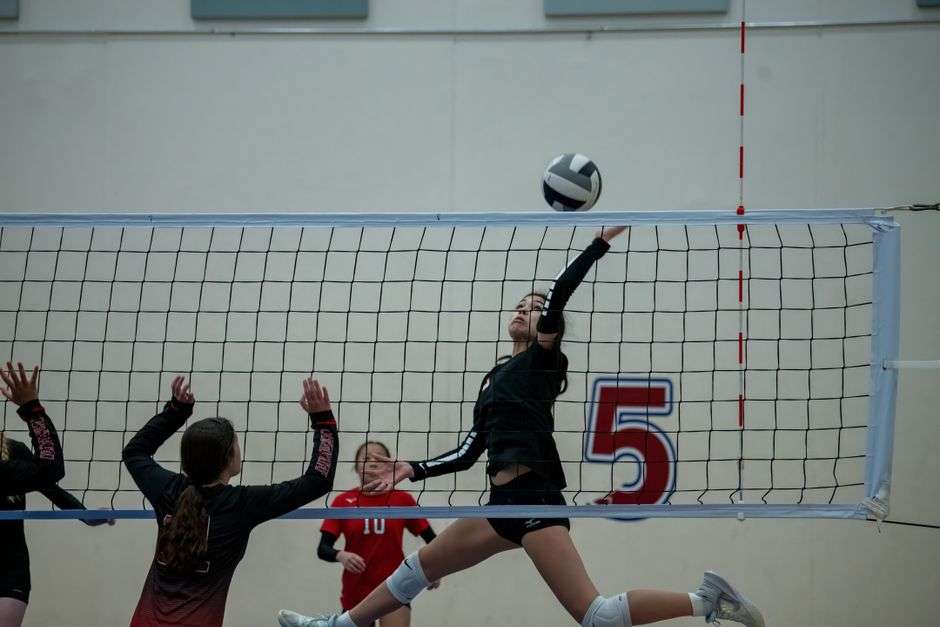
Trust Goes Beyond the Court
Volleyball teams spend a lot of time together during practices, matches, travel, and tournaments.
Simple actions away from competition also matter.
Being respectful, keeping commitments, encouraging teammates, and treating others kindly all strengthen relationships.
The stronger those relationships become, the easier communication and teamwork feel during matches.
Conclusion: Trust Is Earned One Action at a Time
Earning your teammates’ trust is not about being the most talented player on the court. It is about showing every day that you are reliable, supportive, and committed to the team’s success.
By communicating clearly, staying positive after mistakes, respecting every teammate, and giving consistent effort, you create an environment where others know they can count on you.
Those habits not only make you a better teammate—they also help build stronger teams that communicate better, compete harder, and enjoy the game more together.
Disclaimer
Disclaimer: This article is provided for informational and educational purposes only and is not intended as a substitute for professional coaching, training, or organizational advice. The content is based on general principles of team dynamics, communication, and leadership in volleyball and may not apply to every team or situation.
Any actions taken based on the information in this article are at your own discretion. Ovanto.org and its contributors are not responsible for any outcomes, conflicts, or issues that may arise from the application of this content. For personalized guidance, consider consulting with a qualified coach, trainer, or sports professional.
